Almonds
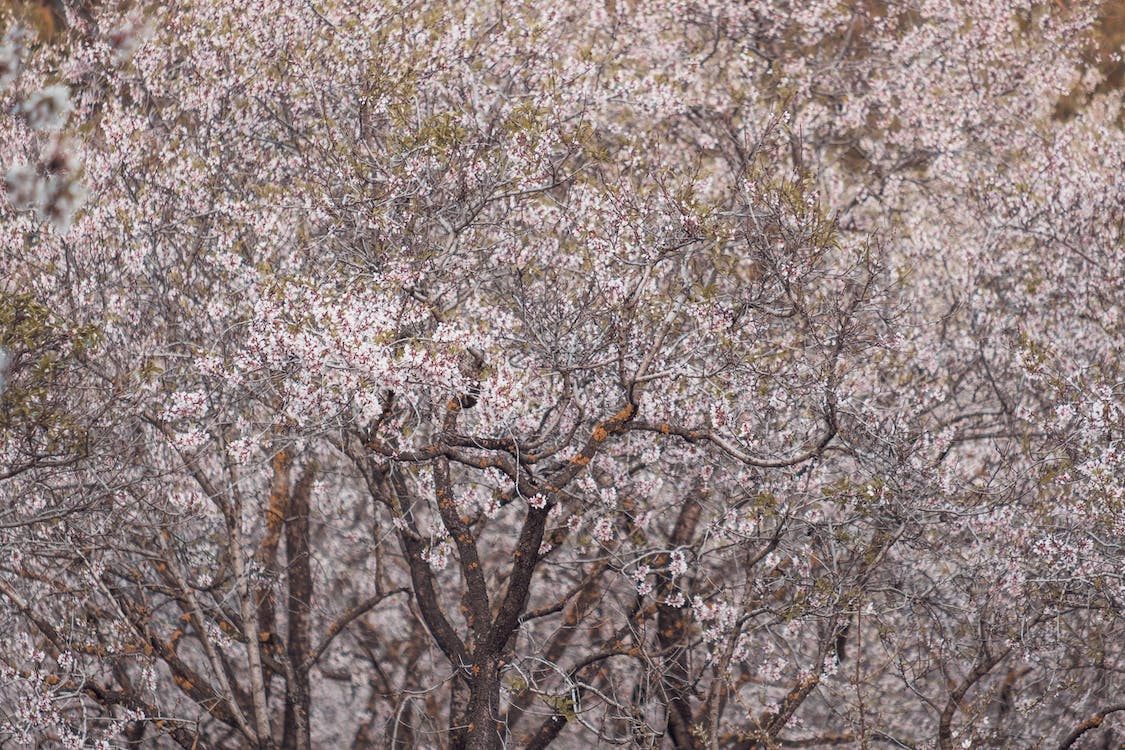
Almond Trees
|
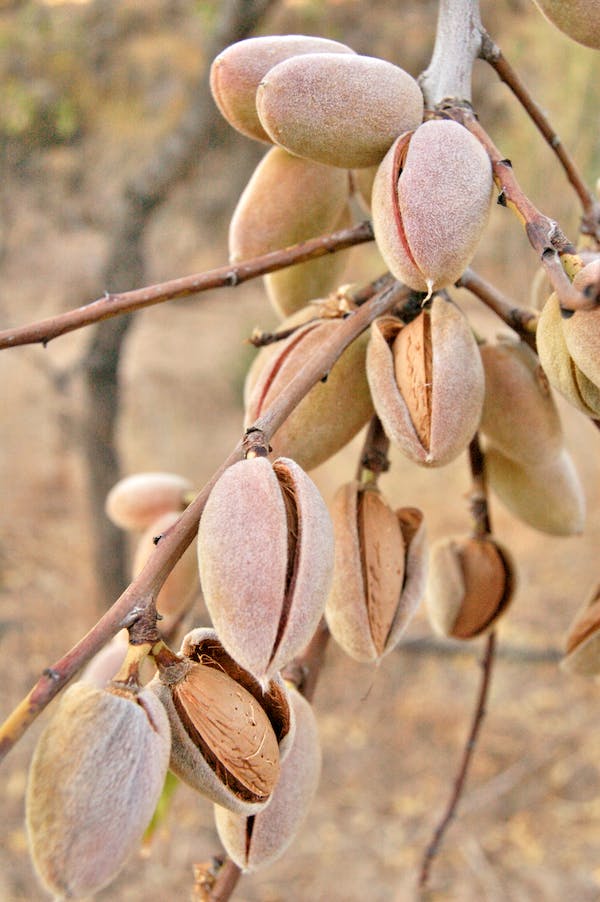
Almonds
|
Description
Almonds are deciduous trees known for their delicious and nutritious nuts. They belong to the Rosaceae family and are native to the Middle East. Almond trees typically reach a height of 3-10 meters (10-30 feet) and produce fragrant pink or white blossoms before developing their nuts.
What to Plant
Almonds are usually propagated from seeds, which are the edible nuts themselves. Purchase almond seeds (kernels) from a reputable supplier.
What to Plant Them In - Containers
Almond trees can be grown in larger containers initially, but they prefer to be planted directly in the ground due to their eventual size and deep root system.
What to Plant Them In - Soil Requirements
Soil Type: Well-draining soil is crucial to prevent waterlogged roots. Sandy loam or loamy soil is preferred.
pH Value: Almonds thrive in a slightly acidic to neutral soil pH of 6.0 to 7.5.
Soil Depth: Almond trees have deep taproots, so provide a minimum soil depth of about 3 feet for proper root development.
When to Plant
Temperate Zone: Plant almonds in late winter to early spring, after the last frost.
Cool Zone: Similar to the temperate zone, late winter to early spring is ideal.
Subtropical Zone: Plant in early winter to early spring.
Tropical Zone: Plant during the dry season, typically in winter.
Where to Plant
Choose a sunny location with well-draining soil. Almonds require full sun for optimal growth and nut production.
Do Plant With/Near
Plant with other fruit trees, like peaches or apricots, which have similar growth requirements.
Don’t Plant With/Near
Avoid planting near plants susceptible to diseases that can affect almonds, such as stone fruit trees with brown rot.
How to Plant
Plant almond trees at least 20-25 feet apart to allow for their eventual size.
Space rows 25-30 feet apart.
Dig a hole slightly larger than the root ball and place the tree at the same depth as it was in the nursery container.
Fill the hole with soil and water well.
Biodynamic Fertilisation
Apply a balanced fertilizer, such as a 10-10-10 formula, in early spring before new growth begins. Follow manufacturer’s instructions for application rates.
Watering and Drainage
Young almond trees need regular watering to establish roots. Water deeply but infrequently to encourage deep root growth.
Once established, almond trees are somewhat drought-tolerant, but consistent watering during dry periods will improve nut development.
Growing Time
Days to Shoot: Almond trees typically start producing shoots within a few weeks after planting.
Days to Harvest: Almonds take about 4-5 years to start producing nuts, with full production achieved at around 7-10 years.
Mineral Deficiencies
A deficiency of a mineral will adversely affect the plant and its production of edibles. Here is a list of minerals and how their deficiency affects this plant.
Nitrogen
Pale green or yellow leaves (starting from older leaves), stunted growth, reduced leaf size, delayed flowering, and overall poor plant vigor.
Potassium
Marginal leaf scorching or browning, yellowing or browning of leaf edges, weak stems, reduced fruit development, and susceptibility to diseases.
Phosphorus
Dark green leaves with a reddish-purple coloration, delayed maturity, poor root development, reduced flowering, and smaller, fewer pods.
Calcium
Young leaves distorted or misshapen, necrotic (dead) tissue at growing tips, blossom end rot in pods, and weakened cell walls leading to increased susceptibility to diseases.
Magnesium
Interveinal chlorosis (yellowing between veins), starting with older leaves, leaf margins may curl upwards, reduced growth, and overall poor plant health.
Sulphur
Uniform yellowing of younger leaves, similar to nitrogen deficiency but affecting younger leaves as well, and reduced growth.
Boron
Brittle and distorted new leaves, shortened stem lengths between leaves, irregular pod development, and reduced flowering.
Chlorine
Chlorine deficiency is rare and not commonly observed in crops. When it occurs, it might result in wilting, necrotic leaf edges, and reduced growth.
Copper
Dieback of young shoot tips, wilting, pale or bleached leaves, reduced plant size, and decreased pod development.
Iron
Interveinal chlorosis in young leaves, starting with younger leaves, while veins remain green, overall plant yellowing, and reduced growth.
Manganese
Interveinal chlorosis in older leaves, while veins remain green, speckled appearance due to dead tissue, and reduced photosynthesis.
Molybdenum
Generalised yellowing of older leaves, similar to nitrogen deficiency but affecting older leaves, and poor flowering.
Nickel
Nickel deficiency is extremely rare and not typically observed in field crops. When it occurs, it might result in reduced seed formation and overall poor plant health.
Zinc
Shortened internodes (distance between leaves), smaller leaves with interveinal chlorosis, twisted or distorted young leaves, and reduced flowering and pod development.
Antagonists
Here’s a comprehensive list of common antagonists (pests/pathogens) that can affect this plant, arranged in descending order of prevalence/likelihood/frequency.
Navel Orangeworm (Amyelois transitella): This is a major pest that damages almonds by infesting the nuts, leading to mold growth and reduced nut quality.
Brown Rot (Monilinia spp.): A fungal pathogen causing fruit rot, especially in wet conditions, resulting in loss of both fruit and tree vigor.
Shot Hole Borer (Euwallacea spp.): These beetles bore into almond trees, creating entry points for pathogens and causing branch dieback.
Almond Moth (Cadra cautella): Larvae of this moth feed on almond kernels, causing damage to nuts and reducing yield.
Stink Bugs (Various species): These insects feed on almond kernels, causing damage and introducing pathogens.
Scale Insects (Various species): These sap-feeding insects weaken almond trees and excrete honeydew, leading to sooty mold growth.
Spider Mites (Tetranychidae family): These tiny pests suck plant juices, causing leaf discoloration and affecting tree health.
Almond Leaf Scorch (Xylella fastidiosa): A bacterial pathogen causing leaf scorch, reduced yield, and eventual tree decline.
Almond Mosaic Virus: A viral infection that causes mosaic-like patterns on leaves, potentially reducing tree vigor.
Cytospora Canker (Leucostoma spp.): Fungal canker disease causing branch dieback and weakening the tree’s overall health.
Almond Aphid (Brachycaudus helichrysi): Aphids feed on almond leaves, causing deformities and transmitting viruses.
Phytophthora Root Rot (Phytophthora spp.): Soil-borne pathogen causing root rot and reduced tree growth.
Almond Bark Beetle (Semanotus bifasciatus): These beetles tunnel into branches, potentially leading to dieback.
Walnut Husk Fly (Rhagoletis completa): Infests almond husks, leading to premature nut drop and reduced yield.
Almond Twig Beetle (Xylosandrus spp.): Feeds on almond twigs, potentially introducing fungal pathogens.
(Please refer to the section titled ’Antagonists and Organic/Biodynamic Handlings’ for comprehensive data on these antagonists, prevention and remedies.)
Harvesting
Almonds are ready for harvest when the hulls split open and the nuts inside are mature. This usually occurs in late summer or early autumn. Shake the branches gently to encourage ripe nuts to fall.
Storing and Preserving
After harvesting, remove the hulls and allow the nuts to dry in a well-ventilated area for a few days. Store almonds in a cool, dry place in airtight containers to prevent moisture and pest damage.
How to Save Seeds for Next Season
Collect mature almonds from the tree, remove the outer hull, and allow the nuts to dry thoroughly. Store them in a cool, dry place until planting time.
How to Prep Soil for Next Season
Before the next planting season, enrich the soil with compost or well-rotted manure to improve its structure and fertility. Conduct a soil test to ensure proper pH and nutrient levels.
Copyright 2026 by Tom Grimshaw - ALL RIGHTS RESERVED.
home |
contact us |
terms of use
|